Hexaplex Font: Building Modern Digital Layouts
I was staring at a Figma file for a new architectural visualization studio website, and something felt off. The content was solid, the imagery was stunning, but the typography lacked structural integrity. I needed a typeface that didn't just sit on the page but actually felt like it was built. That is when I decided to test Hexaplex in the hero section. As a display font inspired by construction and geometric planes, it promised to bring a sense of engineered precision to the digital canvas. Dropping it into the layout wasn't just an aesthetic choice; it was a functional decision to align the brand identity with the physical reality of the business.
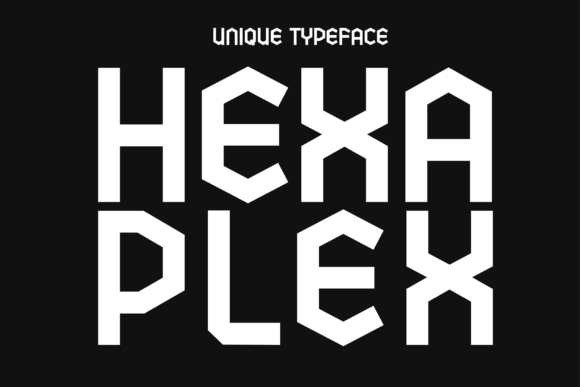
Hexaplex immediately transformed the visual hierarchy. Its letterforms are constructed from straight lines and distinct geometric shapes, giving the text a modular appearance that mirrors blueprints and steel frameworks. For a web designer, this is incredibly useful. When you are designing for industries like architecture, interior design, tech hardware, or industrial manufacturing, standard sans serif fonts can sometimes feel too soft or generic. Hexaplex provides that necessary edge without sacrificing the clean lines required for modern web usability. It feels premium and intentional, signaling to users that the site they have landed on is crafted with the same attention to detail as the services being offered.
Testing Readability in Hero Sections and Headers
The first real test for any display font is the hero section. This is where you have seconds to capture attention, but you also need to ensure the message is instantly digestible. I applied Hexaplex to the main headline: "Structural Integrity for Digital Spaces." At 72px on desktop, the geometric planes of the characters created a beautiful rhythm. The negative space within the letters allowed the background image—a stark concrete texture—to breathe through the type. However, working with such a structured typeface requires careful adjustment of tracking and leading.
Because Hexaplex relies on straight lines and sharp angles, tight kerning can make the words look cluttered and difficult to scan. I found that increasing the letter-spacing slightly improved readability significantly, especially on mid-sized laptop screens. This spacing reinforces the architectural vibe, making each character feel like a distinct building block. For UI designers, this is a crucial reminder: decorative fonts aren't just about style; they are about managing white space to guide the user's eye. When used correctly in headers, Hexaplex acts as a visual anchor, grounding the rest of the page content.
Mobile Responsiveness and Scaling Behavior
A font that looks majestic on a 27-inch monitor can quickly become illegible on a smartphone. I switched my preview to mobile view to see how Hexaplex handled responsive scaling. Display fonts often struggle here because their intricate details get lost at smaller sizes. With Hexaplex, the challenge was maintaining the geometric clarity without the strokes becoming too thin or the counters closing up. I opted to use it strictly for H1 and H2 tags, keeping the size above 32px even on mobile devices.
For smaller UI elements like navigation links, breadcrumbs, or button text, I pivoted to a neutral sans serif font. This is where font pairing becomes essential for UX. Hexaplex has such a strong personality that using it for body copy or micro-copy would create cognitive load and fatigue. By reserving Hexaplex for high-impact moments and pairing it with a highly legible workhorse font for paragraphs, the site maintained a professional balance. The contrast between the structural display font and the fluid body text created a dynamic tension that kept the layout engaging without compromising accessibility or reading speed.
Strategic Applications Across Digital Touchpoints
Beyond the initial landing page, I explored how Hexaplex could unify the broader digital brand kit. Consistency is key to building trust, and a distinctive typeface helps cement brand recognition across different platforms. Here is how I integrated it into various web components:
- Product Landing Pages: Used for feature callouts and benefit headers. The geometric style pairs exceptionally well with technical diagrams and spec sheets, reinforcing the idea of precision engineering.
- Portfolio Grids: Applied to project titles on hover states. The sharp lines complement photography-heavy layouts without competing with the visual content.
- Social Media Graphics: Hexaplex shines in Instagram carousels and LinkedIn banners. Its bold structure remains readable even when scaled down in a feed, making it perfect for quote cards and announcement tiles.
- Digital Ads: In paid media, clarity is conversion. Using Hexaplex for the primary value proposition helped the ad stand out against softer, more organic competitor designs.
- Course Sales Pages: For educational content related to design or tech, the font conveys authority and structured learning, helping potential students feel confident in the curriculum.
In each of these contexts, the font served a specific purpose. It wasn't just decoration; it was a tool for communication. For a boutique online store selling minimalist furniture, Hexaplex added a layer of sophistication to category headers. For a SaaS founder launching a new platform, it communicated stability and robust infrastructure. The versatility lies in its restraint; it is modern without being trendy, and structural without being cold.
Technical Considerations for Web Implementation
Before committing to Hexaplex for a live client project, there are practical technical checks every web designer must perform. First, verify the available weights. A single-weight display font can be limiting in responsive design. Having access to multiple weights allows you to create hierarchy within the headings themselves, perhaps using a heavier weight for the main hero and a lighter weight for subheads. Check if the font family includes alternate characters or ligatures that might offer more flexibility for logo design or custom graphics.
Licensing is another critical factor. Ensure you have the appropriate commercial webfont license for the expected traffic volume. Using a premium font like Hexaplex requires respecting the creator's terms, especially for e-commerce sites or high-traffic blogs. Additionally, consider performance. Geometric fonts can sometimes have larger file sizes due to complex vector paths. Always subset your webfonts to include only the characters you need, and use modern formats like WOFF2 to ensure fast loading times. A beautiful font is useless if it causes a layout shift or delays the Largest Contentful Paint metric.
Elevating Brand Identity Through Typography
Ultimately, choosing Hexaplex was about more than just filling a text box. It was about translating the tactile feeling of architecture into a digital experience. When users visit a site, they judge credibility within milliseconds. Typography is one of the primary signals they use to assess professionalism and quality. A font that aligns with the core values of the brand—structure, geometry, modernity—creates a cohesive narrative that resonates on a subconscious level.
For digital product creators and entrepreneurs, this means treating typography as a strategic asset rather than an afterthought. Whether you are redesigning a blog, launching a course, or refreshing a corporate identity, Hexaplex offers a unique opportunity to differentiate your visual language. It demands respect in the layout, encouraging cleaner grids, more intentional whitespace, and sharper imagery. By testing it in real-world scenarios and respecting the principles of readability and pairing, you can harness its architectural power to build websites that don't just display content, but embody the very essence of the brand they represent.