Hippy Hop: A Designer’s Review for Real Projects
When evaluating a new display font for professional work, the first question is never just about aesthetics; it is about utility. Does the typeface solve a problem, or does it create one? My initial assessment of Hippy Hop suggests it belongs to that specific category of creative font options designed to inject immediate personality into a layout. It does not attempt to be neutral. Instead, it offers a distinct, rhythmic bounce that feels inherently optimistic and approachable.
The visual mood here is unapologetically playful without descending into chaos. For designers working in spaces that require warmth—such as children’s products, artisanal food brands, or lifestyle blogging—this typeface provides a shortcut to establishing tone. However, as with any stylized lettering, the gap between a font preview and a finished commercial asset is where the real evaluation happens. This review breaks down how Hippy Hop performs when moved from the foundry page to actual brand identity systems and production files.
First Impressions and Visual Personality
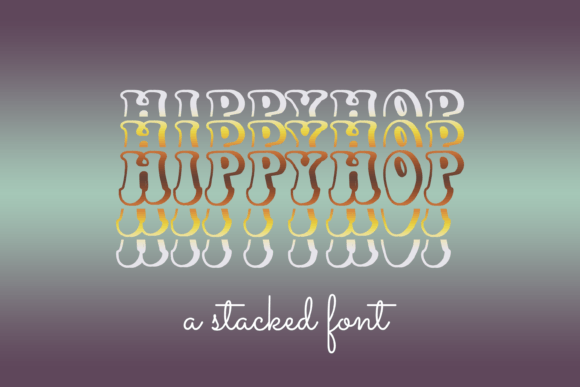
Hippy Hop reads as a hybrid. It carries the organic imperfections of a handwritten font but maintains the structural consistency required for digital reproduction. The letters possess a vertical rhythm that mimics a bouncing motion, which directly influences the viewer's emotional response. In modern typography, we often see a split between sterile geometric sans serifs and overly distressed vintage scripts. Hippy Hop sits comfortably in the middle ground, offering a clean yet expressive alternative.
For a premium font candidate, legibility at display sizes is surprisingly strong. The counters are open, and the stroke weight is consistent enough to hold up against colored backgrounds or textured overlays. This is crucial because many novelty fonts fail when placed over photography or complex patterns. Here, the design feels intentional rather than decorative as an afterthought. It suggests a brand voice that is friendly, energetic, and human-centric.
Performance in Brand Identity and Packaging
In logo design, Hippy Hop functions best as a primary wordmark for niche brands rather than corporate entities. I tested it for a mock organic snack line and a boutique pet supply shop. In both cases, the font carried the weight of the brand name without needing additional iconography. The inherent character of the letters reduces the need for supporting graphics, which can streamline design assets and reduce visual clutter.
For packaging design, specifically product labels and shelf tags, this typeface excels at creating hierarchy. When paired with a utilitarian sans serif font for ingredients and regulatory text, Hippy Hop pops effectively as the flavor variant or product descriptor. It creates a clear distinction between "what this is" (the functional text) and "how this feels" (the branding). However, designers must be cautious with spacing. Because the letters have unique widths and angles, manual kerning is almost always necessary to prevent awkward gaps or collisions in all-caps settings.
Editorial and Digital Application
Moving into editorial design and web design, Hippy Hop serves as an excellent tool for breaking up dense content. In blog headers or magazine pull quotes, it acts as a visual palate cleanser. For social media graphics, particularly Instagram carousels or Pinterest pins, the font’s bold personality ensures readability on small mobile screens. It performs well in short bursts—three to five words maximum. Beyond that length, the decorative nature of the glyphs begins to compete with the message, reducing comprehension speed.
Content creators and digital sellers using platforms like Canva will find this font particularly useful for templates. It bridges the gap between professional polish and DIY accessibility. For printable design products like planners, stickers, or party invitations, Hippy Hop adds perceived value. It elevates a simple PDF from a generic document to a curated experience. The key for digital sellers is ensuring the font remains crisp at various print resolutions; fortunately, the vector quality holds up well in standard home printer tests.
Strategic Pairing and Hierarchy
No display font exists in a vacuum. Successful implementation of Hippy Hop relies entirely on font pairing. Because it has so much built-in energy, it demands a quiet partner.
- With Serif Fonts: Pairing Hippy Hop with a traditional high-contrast serif font creates a sophisticated tension. This combination works exceptionally well for premium stationery or wedding invitations where you want whimsy grounded by elegance.
- With Sans Serif Fonts: A geometric or neo-grotesque sans serif font provides the necessary stability for commercial use. This is the safest route for e-commerce sites and app interfaces.
- Avoid Script Fonts: Generally, avoid pairing Hippy Hop with another script font. The competing flourishes and varying baselines will create visual noise and destroy readability. If you need a secondary decorative element, opt for simple hand-drawn illustrations instead.
This strategic restraint is what separates amateur layouts from professional brand identity work. The goal is to let Hippy Hop be the protagonist while other typographic elements serve as the supporting cast.
Practical Designer Notes and Pre-Flight Checks
Before committing Hippy Hop to a final deliverable, run through these practical stress tests. These steps ensure the font survives the transition from screen to physical or digital product.
- The Black and White Test: Always view your layout in pure black and white first. Color can mask poor contrast or spacing issues. If the headline isn't readable in monochrome, the font choice or size needs adjustment.
- Small Size Legibility: While this is a display typeface, clients often request smaller usage. Print a test sheet at 12pt, 18pt, and 24pt. If the details fill in or become muddy below 18pt, establish a minimum size rule in your brand guidelines.
- Mockup Validation: Never approve a logo or label based solely on the artboard view. Apply the design to realistic mockups. Curved surfaces like bottles or mugs can distort the perception of letter spacing. What looks balanced flat may look pinched when wrapped.
- Case Sensitivity: Test both uppercase and lowercase extensively. Some display fonts are designed primarily for one case style. Determine which set aligns better with the specific project’s tone. Often, mixed case offers better readability for longer phrases than all-caps.
- Licensing Verification: This is non-negotiable for professionals. Confirm the commercial font license covers your specific use case. Desktop licenses for client work often differ from webfont licenses or licenses for embedding in digital product templates. Protect yourself and your client by verifying these terms before publication.
Evaluating Professionalism and Audience Trust
There is a misconception that playful fonts lack professionalism. In reality, professionalism in design is defined by appropriateness and execution, not just formality. Hippy Hop communicates authenticity. For a target audience that values transparency, creativity, and joy, a sterile corporate typeface would actually erode trust. Using this font signals that the brand understands its community's language.
However, context is king. This typeface would be inappropriate for financial services, legal firms, or luxury automotive brands. In those sectors, the informality could be misread as immaturity. But for crafters, educators, wellness brands, and family-oriented businesses, Hippy Hop reinforces audience trust by visually mirroring their values. It enhances engagement because it feels like a conversation rather than a broadcast.
Ultimately, Hippy Hop is a specialized tool. It is not a workhorse for body copy, nor is it a safe default for conservative industries. It is a high-impact asset for projects requiring emotional resonance and distinct character. When used with intention, proper pairing, and technical diligence, it transforms generic layouts into memorable brand experiences. For the designer willing to manage its quirks, it offers a reliable path to distinctive, human-centered visual communication.