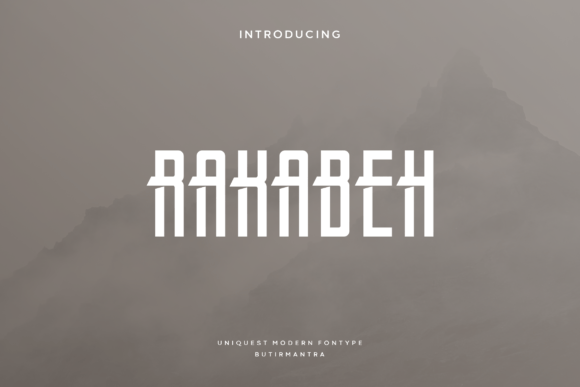
Rakabeh Font: Elevating Editorial Design
There is a specific moment in every editorial layout project where the mood finally clicks. For my latest digital magazine feature on slow living and intentional home design, that moment arrived not when I selected the perfect photograph or finalized the color palette, but when I typed the headline in Rakabeh. As a designer who spends hours testing typefaces for readability and aesthetic balance, finding a display font that feels both modern and deeply human is a rare joy. Rakabeh offers exactly that balance, providing a smooth, angular elegance that transformed a standard article header into a captivating visual anchor.
The Character of Smooth Angularity
When we talk about display fonts, we often default to extremes: either overly ornate scripts that sacrifice legibility or stark geometric sans serifs that can feel cold on screen. Rakabeh sits comfortably in a refined middle ground. Its defining characteristic is a smooth angular shape that feels deliberate rather than sharp. During my layout process, I noticed how these subtle curves soften the overall reading experience while maintaining the structural integrity needed for headlines.
This typeface carries a personality that is neat yet expressive. It does not shout for attention; instead, it invites the reader in with a sense of calm authority. For content creators focusing on lifestyle, wellness, or premium branding, this visual tone is essential. The font supports the narrative without competing with it. When I applied Rakabeh to the chapter openers of a companion printable guide, the text felt cohesive with the minimalist photography, creating a unified brand identity across different media formats.
Practical Application in Digital Publishing
Testing Rakabeh in a real-world publishing environment revealed its versatility beyond simple headlines. While it shines as a primary title font, its utility extends to various editorial elements that require distinct visual hierarchy. In my recent newsletter redesign, I utilized Rakabeh for section dividers and pull quotes. The font’s inherent elegance elevated these functional elements, turning navigation markers into design features that encouraged subscribers to keep scrolling.
For those designing ebook covers or course PDFs, the legibility of Rakabeh at larger sizes is a significant advantage. Display fonts often struggle when scaled up for thumbnails or social media graphics, losing their nuance or becoming pixelated. Rakabeh maintains its crisp, classy appearance even when resized for Instagram stories or Pinterest pins. This consistency is vital for independent authors and course creators who need their cover art to look professional across every platform without constant tweaking.
- Blog Headers: Ideal for establishing a sophisticated tone in lifestyle and travel niches.
- Ebook Titles: Provides high legibility and modern appeal for digital product covers.
- Newsletter Graphics: Adds a premium touch to promotional banners and section headers.
- Printable Planners: Offers a clean, organized aesthetic suitable for worksheets and guides.
- Pull Quotes: Creates visual interest in long-form articles without disrupting flow.
Building Hierarchy Through Font Pairing
A beautiful display font cannot exist in isolation. The success of Rakabeh in an editorial layout depends heavily on thoughtful font pairing. Because Rakabeh possesses such a distinct, smooth rhythm, it requires body copy that provides contrast and stability. During my magazine layout test, I paired Rakabeh with a neutral, high-x-height serif font for the main article text. The serif provided the necessary traditional grounding, allowing Rakabeh’s modern angles to pop without feeling jarring.
Alternatively, for a coaching workbook project, I tested pairing Rakabeh with a clean, geometric sans serif font for captions and instructional text. This combination created a more contemporary, airy feel that suited the educational nature of the content. The key is to let Rakabeh handle the emotional heavy lifting in titles and accents while your secondary typeface manages the cognitive load of extended reading. Avoid pairing it with other highly stylized display fonts or handwritten scripts, as this creates visual noise that fatigues the reader.
Readability Across Screen and Print
Editorial designers must always consider the end-user's reading environment. Rakabeh performs admirably on high-resolution screens, rendering smoothly on both desktop monitors and mobile devices. However, caution is warranted for smaller applications. While excellent for headlines and subheads, this typeface is not designed for dense body copy. Its unique character shapes, which contribute to its beauty in large formats, can reduce reading speed if used for paragraphs.
For print materials like wedding guides or physical zines, Rakabeh translates beautifully due to its solid stroke weight and balanced spacing. The ink holds well in the angular junctions, preventing the muddiness that sometimes plagues thinner display fonts in print production. Always test your specific paper stock and printing method, but generally, Rakabeh’s construction supports high-quality reproduction for tangible design assets.
Licensing and Technical Considerations
Before integrating any premium font into a commercial project, verifying licensing and technical specifications is non-negotiable. Rakabeh typically includes multiple weights and stylistic alternates that can dramatically expand its utility. I strongly recommend exploring the OpenType features; accessing alternate characters can help you customize logo designs or avoid repetitive letterforms in all-caps headlines. These small adjustments are what separate template-based designs from bespoke editorial work.
Furthermore, ensure your license covers your intended use case. If you are creating a paid newsletter, selling printable planners, or embedding the font in a downloadable PDF course, you likely need a commercial or extended license. Standard desktop licenses often cover personal projects and client branding but may restrict distribution within digital products. Checking multilingual support is also crucial if your publication serves a diverse audience, ensuring that accented characters maintain the same elegant proportions as the base Latin set.
Ultimately, Rakabeh serves as a testament to the power of restrained typography. It proves that a display font does not need to be loud to be effective. By choosing a typeface that aligns with the calm, intentional nature of modern editorial content, we create reading experiences that respect the audience's time and attention. Whether you are refreshing a blog header or designing your first ebook, Rakabeh offers a sophisticated foundation that elevates your work from merely functional to genuinely memorable.