Summer Island Font: A Display Typeface for Makers
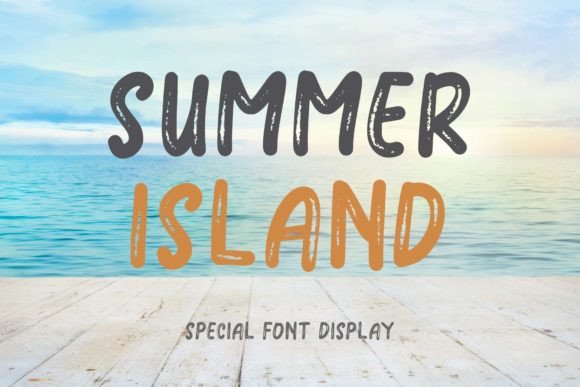
The cutting mat was loaded, the vinyl was weeded, and I was staring at a blank candle label template that felt entirely too stiff. As a handmade seller, I know that moment well—the design is technically correct, but it lacks the warmth and personality that makes a customer reach for a product off the shelf. That was when I decided to test Summer Island, a unique brush font with a youthful spirit that promised to bring exactly the kind of organic energy my summer collection needed. Watching the letters render on my screen, then seeing them cut cleanly in adhesive vinyl, confirmed what I had hoped for: this typeface bridges the gap between playful hand-lettering and professional product branding.
Capturing a Youthful Spirit in Product Design
When selecting display fonts for physical merchandise, the biggest risk is choosing a style that looks messy when scaled down or loses its charm when printed on textured paper. Summer Island avoids this pitfall by balancing spontaneity with structure. The brush strokes have a natural variation that mimics real paint or marker work, yet the letterforms remain distinct and legible. This is crucial for makers who need their designs to read clearly from a distance on a market table or in a small thumbnail image on an Etsy listing.
In my own studio, I found this font particularly effective for creating emotional connections through packaging. When designing tags for linen tote bags, the casual flow of Summer Island made the items feel bespoke rather than mass-produced. It carries a mood of effortless creativity, which aligns perfectly with the values many crafters want to communicate. Whether you are designing printable wall art or physical goods, the visual personality of this font suggests that a human hand was involved in the creation process, adding perceived value to your work.
Real-World Applications for Labels and Stationery
Versatility is the hallmark of any good commercial font, and Summer Island shines across multiple mediums. During a recent rebrand for a seasonal stationery line, I utilized this typeface for everything from envelope liners to digital download previews. Here is how it performs in practical maker scenarios:
- Candle and Soap Labels: The uppercase and lowercase sets allow for dynamic title casing that fits beautifully on curved surfaces without looking crowded.
- Wedding Signage: For welcome boards and seating charts, the font offers enough weight to be readable from several feet away while maintaining a romantic, handwritten aesthetic.
- Sticker Sheets: Because the characters are well-spaced and not overly ornate, they weed easily on Cricut and Silhouette machines, reducing production waste.
- Digital Planners: The numerals and punctuation are cohesive with the alphabets, making it suitable for functional headers and date markers in printable planners.
- Boutique Packaging: Using this font for "Thank You" cards or box sleeves creates a consistent brand identity that feels personal and inviting.
It is important to note where this font works best. Summer Island is a display typeface, meaning it is optimized for short phrases, names, titles, and decorative wording. It is not intended for long paragraphs of body text. For product descriptions or detailed instructions on packaging, pair it with a clean sans serif font or a simple serif font to ensure readability while letting Summer Island serve as the eye-catching focal point.
Typography Pairings and Layout Strategy
A premium font like Summer Island does not exist in a vacuum; its impact depends heavily on what surrounds it. In editorial design and packaging, contrast is key. When laying out a birthday invitation suite, I paired Summer Island’s expressive brush script with a minimalist geometric sans serif for the logistical details. This combination prevents the design from feeling chaotic and guides the viewer’s eye naturally from the celebratory headline to the essential information.
For modern typography projects like social media graphics or web banners, consider using Summer Island for the primary hook or offer, while reserving bold display fonts for secondary emphasis. This hierarchy ensures that your message is digestible. If you are creating farmhouse signs or rustic decor, pairing this brush font with a textured serif can enhance the vintage appeal. Conversely, combining it with a sleek, thin handwritten font can create a contemporary, layered look that feels fresh and updated. Always test your pairings at actual print size before committing to a full production run, as screen resolution often flatters spacing that might look tight on paper.
Technical Considerations for Cutting and Printing
As someone who regularly produces both physical cuts and digital templates, I pay close attention to the technical specs of any creative font I license. Summer Island comes equipped with multilingual support, which is essential for sellers serving diverse communities or creating international digital downloads. Having access to special characters and accents means you do not have to compromise on inclusivity or accuracy in your designs.
For those using cutting machines, the connectivity of the letters is generally smooth, but always perform a test cut on scrap material first. Brush fonts can sometimes have thin entry and exit strokes that may tear if the blade is dull or the pressure is too high. Adjusting your offset settings slightly can help reinforce these delicate areas without altering the overall shape. When printing on dark fabrics or mugs, ensure the ink opacity is sufficient to capture the subtle texture of the brush strokes; otherwise, the charm of the typeface may get lost against the background.
Licensing and Commercial Use for Sellers
Before integrating Summer Island into products for sale, always review the specific commercial font licensing terms provided by the designer. Understanding whether your license covers physical end products, digital templates, SVG-style designs, or logo design is non-negotiable for protecting your business. Some licenses differentiate between selling a finished candle versus selling an editable Canva template featuring the font. Clarifying these boundaries early prevents legal headaches later.
Additionally, check for included alternates, ligatures, and swashes. These extra glyphs can transform a standard word into a custom logotype or add flair to a monogram. Utilizing these features distinguishes your work from other sellers using the same base assets. By leveraging the full potential of the font file, you maintain brand consistency while offering unique variations that keep your shop inventory feeling fresh and original.
Elevating Brand Identity Through Thoughtful Type
Ultimately, choosing a typeface is a branding decision as much as a design choice. Summer Island brings a specific emotional resonance that speaks to joy, nostalgia, and artisanal quality. When customers see this style of lettering on your market stall signage, your Instagram stories, or your unboxing experience, they receive a subconscious cue about your brand’s personality. It tells them that your business is approachable, creative, and attentive to detail.
Whether you are preparing for a busy holiday season, launching a new line of printable wall art, or simply refreshing your shop’s visual identity, this font offers a reliable foundation for creative expression. It transforms standard text into a design element that enhances the overall customer experience. By treating typography as a core component of your product development process, you elevate your handmade goods from simple objects to cherished keepsakes that resonate with the people who buy them.