Thifloss Font: Bold Editorial Typography
There is a specific moment in every editorial layout project when the cursor blinks on an empty artboard, waiting for a typeface that can carry the weight of the entire publication. During a recent redesign for a seasonal lifestyle guide, I found myself staring at a cover mockup that felt technically correct but emotionally flat. The content was rich, focusing on slow living and intentional home design, yet the existing header font lacked the necessary architectural presence. It was too delicate for the bold photography and too generic for the brand’s evolving identity. This is often where Thifloss enters the workflow, not as a decorative afterthought, but as a structural anchor.
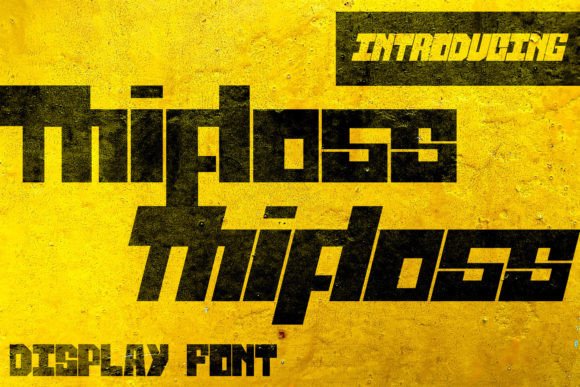
Thifloss is a display font defined by its block-bold aesthetic, offering a visual rhythm that feels both contemporary and grounded. In the context of modern typography, it occupies a valuable space between industrial rigidity and approachable warmth. When testing it for the lifestyle guide cover, the immediate impact was clarity. The thick strokes provided enough contrast against a textured linen background to remain legible at smaller sizes, while the unique character shapes prevented the title from feeling like a standard corporate headline. For publishers and designers seeking a creative font that establishes mood without overwhelming the content, Thifloss offers a distinct solution for high-impact editorial moments.
Establishing Hierarchy in Digital Layouts
Visual hierarchy is the silent narrator of any digital publication. Readers do not consume content linearly; they scan for entry points. In my experience applying Thifloss to article headers and section dividers, its primary strength lies in its ability to create immediate focal points. Unlike a script font or a thin serif, which might require significant scale to be noticed, Thifloss commands attention through density rather than sheer size. This is particularly useful for mobile-first editorial design, where screen real estate is limited.
During the layout phase for a series of long-form essays, I utilized Thifloss for chapter openers and pull quotes. The blocky nature of the typeface created a natural pause in the reading flow, signaling to the audience that they were entering a new thematic section. It acted as a visual breath. However, it is crucial to understand where this typeface excels and where it should rest. Thifloss is unequivocally a display tool. Attempting to use it for body copy, dense paragraphs, or small captions will degrade readability and frustrate users. Its personality is too strong for sustained reading. Instead, it serves best when paired with a highly legible serif font for narrative text or a clean sans serif font for metadata and navigation elements.
Practical Applications Across Content Formats
The versatility of Thifloss extends beyond traditional magazine covers. As content creators diversify their offerings, the need for consistent brand identity across multiple formats becomes paramount. I have found this typeface particularly effective in the following editorial contexts:
- Ebook Titles and Chapter Headers: For recipe ebooks or coaching workbooks, Thifloss provides a sturdy container for instructional content. It suggests reliability and structure, which helps build trust with readers navigating educational material.
- Newsletter Graphics: Email clients can be notoriously inconsistent with rendering. Because Thifloss relies on solid forms rather than intricate details, it maintains its integrity even when embedded in HTML emails or exported as web-safe images.
- Printable Planners and Worksheets: In the digital product space, aesthetics drive perceived value. Using a premium font like Thifloss for worksheet titles elevates the user experience, making a simple PDF feel like a curated design asset.
- Social Media Templates: The bold geometry translates exceptionally well to square and vertical video covers, ensuring text remains readable over busy backgrounds or motion graphics.
In each of these scenarios, the font acts as a branding thread. A reader who encounters Thifloss on an Instagram carousel and later sees it on a course PDF subconsciously recognizes the connection. This consistency is the foundation of a mature publication identity.
Refining Readability and Pairing Strategies
While Thifloss is visually striking, successful editorial design requires balancing expression with function. The block-bold style demands careful consideration of whitespace. Crowding this typeface against margins or other graphic elements diminishes its impact. In my testing, increasing the tracking (letter-spacing) slightly improved legibility for all-caps settings, while tightening it added a sense of urgency for shorter, punchier headlines. These micro-adjustments are what separate professional typesetting from default software settings.
Font pairing is perhaps the most critical technical consideration when integrating Thifloss into a design system. Because the font carries so much visual weight, its partner must provide relief. For a wedding guide project, I paired Thifloss with a delicate, high-contrast serif for body text. The juxtaposition of the heavy block letters against the refined serifs created a sophisticated tension that mirrored the event's blend of modern celebration and traditional romance. Conversely, for a tech-focused newsletter, pairing it with a geometric sans serif maintained a cohesive, forward-looking aesthetic. Avoid pairing Thifloss with other display fonts or heavy scripts, as the competition for attention will result in a chaotic layout.
Licensing and Technical Considerations for Publishers
Before committing Thifloss to a commercial project, editorial designers must verify the technical specifications and licensing terms. Display fonts often include alternate characters, ligatures, or stylistic sets that can significantly alter the mood of a headline. Checking the OpenType features panel is essential; a simple glyph substitution might be the difference between a standard look and a bespoke brand mark. Additionally, confirm multilingual support if your publication serves a diverse audience, as missing diacritics can break the visual continuity of non-English titles.
Licensing is equally important for independent creators and publishing houses. Ensure the license covers your specific use case, whether that involves embedding the font in an editable Canva template, distributing it within a paid ebook, or using it for client branding. Commercial font licensing varies widely, and assuming a desktop license covers digital products is a common pitfall. Taking the time to review these details protects both the designer and the publication from future legal complications.
Ultimately, Thifloss succeeds because it respects the fundamental purpose of editorial typography: to serve the content. It does not try to be the story itself, but rather the frame that makes the story visible. Whether you are designing a minimalist blog header, structuring a comprehensive coaching workbook, or refreshing a digital magazine masthead, this typeface offers the confidence and clarity needed to engage modern readers. It reminds us that in a landscape of fleeting digital noise, there is enduring power in bold, intentional letterforms that know exactly what they are saying.