Dronez Font: A Modern Typeface for Editorial Design
There is a specific moment in every editorial layout project when the content is finalized, the images are color-graded, and the grid is set, yet the design still feels unfinished. It usually happens when I am staring at a headline that lacks the necessary weight to anchor the page. During a recent redesign of a digital lifestyle magazine focused on sustainable architecture and slow living, I encountered this exact friction. The photography was serene and structural, but the existing typography felt either too ornate or too generic. I needed a display font that could bridge the gap between organic warmth and modern precision. This search led me to test Dronez, a typeface that ultimately redefined the visual rhythm of the entire publication.
First Impressions in a Real Layout
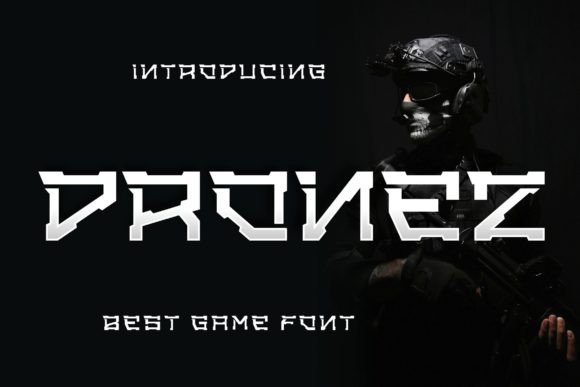
When evaluating premium fonts for editorial use, I often look past the specimen sheet and jump straight into a working document. Specimens show perfection; layouts reveal character. Dronez presents itself as a clean, contemporary display font with a distinctly minimalist aesthetic. Its geometric construction suggests a futuristic tone, yet it avoids the coldness often associated with tech-heavy typefaces. In the context of our architecture feature, the sleek lines of Dronez mirrored the clean sightlines of the buildings we were showcasing.
The initial test involved setting the main cover title. At 72 points, Dronez held its structure beautifully without feeling heavy or imposing. The letterforms possess an open counter space that allows for excellent legibility even against complex background imagery. What stood out immediately was the font’s ability to command attention through restraint rather than volume. It did not scream for the reader's eye; it simply guided it with quiet confidence. This balance is essential for modern branding, where audiences are increasingly sensitive to visual noise and aggressive marketing aesthetics.
Establishing Visual Hierarchy and Mood
Typography is not merely about reading words; it is about feeling the content before processing the syntax. Dronez excels at establishing a sophisticated mood that supports long-form storytelling. For the magazine’s interior spreads, I utilized the font for section headers and pull quotes. The geometric shapes create a distinctively futuristic feel that pairs surprisingly well with traditional editorial content. It signals to the reader that the publication is forward-thinking, even when discussing timeless topics like craftsmanship or heritage materials.
In terms of visual hierarchy, Dronez serves as an effective anchor. Because of its strong horizontal stress and uniform stroke width, it creates a stable baseline for the rest of the page elements. When used for article titles, it provides enough contrast against body copy to clearly delineate sections without creating jarring transitions. This is particularly valuable in digital magazine layouts where scrolling fatigue can set in quickly. A well-chosen display font acts as a visual breath, giving the reader permission to pause and engage with the next segment of text.
- Cover Titles: Use larger sizes to leverage the font’s geometric stability and open spacing.
- Pull Quotes: Apply Dronez in medium weights to highlight key insights without overpowering adjacent photography.
- Newsletter Headers: The font’s clean lines render crisply on mobile screens, maintaining brand identity across devices.
- Ebook Chapter Openers: Creates a consistent, rhythmic cadence throughout digital publications.
Practical Pairings for Readability
A display font rarely works in isolation. The success of Dronez in my project relied heavily on thoughtful font pairing. Given its modern, sans serif characteristics, it demands a partner that offers either complementary neutrality or contrasting warmth. For the body copy of the architecture magazine, I paired Dronez with a high-x-height serif font. The serifs provided the necessary guidance for extended reading, while Dronez offered a crisp, structural contrast for the headlines. This combination prevented the layout from feeling too sterile while maintaining a cohesive contemporary identity.
For creators designing coaching workbooks or printable planners, Dronez also pairs exceptionally well with clean sans serif fonts for captions, navigation elements, and instructional text. The key is to ensure sufficient contrast in weight and style. If Dronez is used for worksheet titles, the supporting text should be significantly lighter or more rounded to avoid visual competition. In recipe ebooks, where clarity is paramount, Dronez works beautifully for dish names and category markers, while a highly legible humanist sans serif handles the ingredient lists and method steps. This approach ensures the font enhances usability rather than hindering it.
Technical Considerations for Digital and Print
While Dronez is visually striking, practical application requires attention to technical details. Readability varies significantly between screen and print. On high-resolution displays, the font’s sleek lines remain sharp, but on lower-resolution mobile devices, very thin weights may disappear against dark backgrounds. During testing, I found that increasing the tracking slightly for web headers improved legibility without compromising the typeface’s intended aesthetic. For PDF exports and print materials, the font renders faithfully, retaining its precise geometric edges even at smaller caption sizes.
It is also vital to consider the specific needs of your content format. Dronez is primarily a display font, meaning it is optimized for titles, subtitles, and short bursts of text. It is not designed for setting paragraphs of body copy. Attempting to use it for long-form reading will result in eye strain and a disjointed user experience. Respect the font’s purpose by reserving it for moments of emphasis and structural organization. This disciplined approach preserves the font’s impact and ensures your publication remains accessible to all readers.
Licensing and Asset Management
Before integrating any creative font into a commercial project, verifying licensing is non-negotiable. Dronez is available as a commercial font, but terms can vary depending on whether you are creating a free blog post, a paid newsletter, a client deliverable, or a digital product for resale. Always review the End User License Agreement (EULA) specifically for your use case. If you are selling templates, ebooks, or printable planners that embed the font file, you will likely need an extended or app-specific license. Standard desktop licenses typically cover static images and personal editorial use but do not permit redistribution.
Additionally, check the included assets before finalizing your design system. Some versions of Dronez may include alternate characters, ligatures, or multilingual support that can add unique flair to logo design or social media graphics. These subtle variations can help distinguish your brand identity from others using the same typeface. Confirming file formats is equally important; having both OTF and TTF files ensures compatibility across different design software and operating systems. By handling these administrative details upfront, you protect your work and ensure a seamless publishing process.
Ultimately, choosing Dronez was less about following a trend and more about finding a tool that respected the intelligence of the reader. It brought a sense of calm order to a complex layout, proving that futuristic design does not have to sacrifice warmth or accessibility. For bloggers, publishers, and designers seeking a typeface that balances modern geometry with editorial grace, Dronez offers a refined solution that elevates content without overshadowing it. It is a reminder that the best typography is felt before it is read, setting the stage for stories that deserve to be seen as clearly as they are written.