Nikolina Font Review: A Bold Display Typeface for Modern Branding
There is a specific moment in every branding project when the mood board is set, the color palette is locked, and you are staring at a blank artboard waiting for the typography to define the voice. During a recent identity refresh for a boutique architectural studio, I found myself in exactly this position. The client needed something that felt structural and precise but lacked the coldness of standard geometric sans serifs. That was when I decided to test Nikolina. As a bold and sleek display font with a modern minimalist design, it promised the exact tension between warmth and engineering I was looking for. After running it through logo concepts, packaging mockups, and digital layouts, here is my honest take on how this typeface performs in a real-world creative workflow.
First Impressions: Sharp Contrast and Structural Elegance
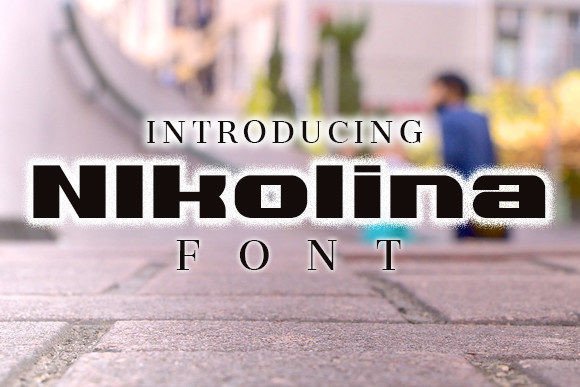
Opening Nikolina in my font manager, the first thing that stands out is the distinct contrast between thick and thin lines. Many modern display fonts lean heavily into uniform stroke widths to achieve minimalism, but Nikolina takes a different approach. It retains a high-contrast structure reminiscent of traditional serifs but strips away the decorative terminals. The result is a sharp, straight character set that feels incredibly clean without being sterile.
In my initial testing, I typed out the studio’s name in all caps with generous tracking. The vertical stress of the letterforms created an immediate sense of height and stability. This isn't a font that whispers; it speaks with confidence. For designers accustomed to the softness of rounded grotesques or the playfulness of handwritten fonts, Nikolina offers a refreshing return to precision. It manages to feel premium and accessible simultaneously, a balance that is notoriously difficult to strike in contemporary typography.
Performance Across Brand Touchpoints
A typeface might look beautiful in a specimen sheet, but its true value is proven when applied across diverse media. I tested Nikolina extensively to see if it could carry a full brand identity system.
Logo Design and Wordmarks
For the primary logo, Nikolina excelled as a standalone wordmark. The sharp angles provided natural anchor points for icon integration. I found that the capital 'A' and 'N' have particularly strong silhouettes that work well for monogram variations. Because the characters are so structurally sound, I didn't need to make significant custom modifications to create a proprietary logotype. However, be mindful of spacing; the built-in kerning is generally good, but optical adjustments are necessary at large scales to maintain visual rhythm between the contrasting strokes.
Packaging and Print Collateral
We applied Nikolina to business cards and a series of matte-finish brochures. On paper, the ink hold on the thin strokes was impressive, even on uncoated stock. The font’s bold weight commands attention on shelf packaging or retail signage, making it highly effective for product labels where hierarchy is crucial. I used it for product names and category headers, letting the sharp lines guide the eye across the package face. It pairs exceptionally well with negative space, allowing the design to breathe while maintaining a luxurious density.
Digital Interfaces and Social Media
Transitioning to screen, I was initially concerned about legibility at smaller sizes. Display fonts can sometimes struggle on mobile devices. In practice, Nikolina holds up beautifully as a headline font for website hero sections and Instagram carousels. The high contrast translates well to backlit screens, creating crisp edges against dark backgrounds. For social media graphics, specifically quote cards and announcement posts, the font provides instant recognition. It stops the scroll because it looks intentional and polished rather than generic.
Strategic Font Pairing and Hierarchy
Nikolina is undeniably a star performer, but no display font exists in a vacuum. To build a functional typography system, I had to find supporting typefaces that wouldn't compete with its strong personality.
- With Sans Serifs: This is the most natural pairing. I matched Nikolina with a neutral, low-contrast grotesque for body copy. The simplicity of the body text allowed Nikolina’s sharp details to shine without creating visual noise. Avoid pairing it with other high-contrast sans serifs, as the competing stresses can create vibration.
- With Serifs: For a more editorial or traditional luxury feel, Nikolina works surprisingly well alongside a classic transitional serif. The modern sharpness of Nikolina acts as a contemporary counterpoint to the historical warmth of the serif, perfect for magazine layouts or heritage brands undergoing a modernization.
- With Scripts: Proceed with caution. Because Nikolina is already quite expressive and stylized through its geometry, adding a script font can quickly clutter the design. If you must use a script, keep it loose and organic to contrast with Nikolina’s rigid structure.
When establishing hierarchy, treat Nikolina strictly as a display tool. Use it for headlines, pull quotes, navigation menus, and short phrases. Attempting to use it for paragraphs or long-form content will fatigue the reader due to the extreme stroke contrast. Let it do what it does best: grab attention and establish tone.
Practical Considerations and Licensing
While Nikolina is a versatile creative font, it is not a universal solution. I would advise against using it for projects requiring dense data visualization, technical manuals, or highly conservative corporate identities where readability at 8pt is paramount. Its strength lies in expression, not utility. Additionally, always check the specific commercial font licensing before finalizing client work. Ensure your license covers the intended usage, whether that includes webfont embedding, app usage, or merchandise printing. Licensing terms for display fonts can vary significantly between desktop and digital applications, and staying compliant protects both you and your client.
I also recommend testing the included alternates and ligatures early in the process. Nikolina often includes stylistic sets that can soften or sharpen the mood depending on the context. In my architectural project, utilizing a specific alternate for the letter 'R' gave the wordmark a unique proprietary feel that distinguished it from stock typography. These small details are often what separate a good design from a great brand identity.
Verdict: A Reliable Tool for Modern Minimalism
After putting Nikolina through the rigors of a comprehensive branding project, it has earned a permanent spot in my go-to type library. It successfully bridges the gap between bold statement-making and refined minimalism. For graphic designers, brand strategists, and business owners looking to elevate their visual presence, this typeface offers a sophisticated alternative to overused trends. It brings a level of intentionality to design assets that communicates professionalism and clarity.
If you are working on a boutique identity, a skincare line, a creative studio rebrand, or any project where modern elegance is the goal, Nikolina is worth serious consideration. Just remember to let it lead the hierarchy, support it with quiet companions, and respect its limitations in body text. When used with intention, it transforms simple words into a cohesive visual experience that resonates with audiences and strengthens brand recognition.