Ordinariness Font: A Display Typeface for Editorial Mood
There is a specific moment in every editorial layout project when the grid is set, the images are placed, and the body copy is flowing perfectly, yet the headline still feels disconnected from the story. I experienced this exact friction last week while art directing a digital feature for a seasonal baking guide. The content was warm, tactile, and deeply personal, but the clean geometric sans serif I had initially selected for the title felt too sterile, almost clinical. It lacked the flour-dusted, imperfect charm of the subject matter. This is where Ordinariness entered the workflow, not as a loud novelty, but as a grounding display font that bridged the gap between modern design and classic warmth.
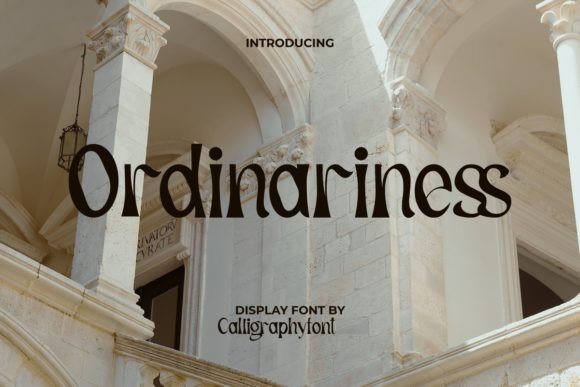
As publishers and designers, we often chase trends that scream for attention, but there is immense value in typefaces that whisper with confidence. Ordinariness is a stylish display font with a classic vibe, distinguished by unique, irregular shapes that prevent it from feeling mass-produced. In my testing across various content layouts, from recipe ebooks to lifestyle newsletters, this typeface has proven to be a versatile tool for establishing publication identity without sacrificing readability. It occupies a sweet spot in modern typography: expressive enough to carry a cover line, yet restrained enough to maintain editorial integrity.
Visual Character and Editorial Rhythm
The name "Ordinariness" might suggest something plain, but in practice, the font delivers a sophisticated irregularity that mimics high-end hand-lettering. When setting the title for the baking guide, I noticed immediately how the letterforms possess a rhythmic bounce. The baseline isn't rigidly locked; slight variations in height and weight give the text a human cadence. This is crucial for industries like cosmetics, artisanal food, or wedding planning, where the brand voice needs to feel bespoke rather than corporate.
In an editorial context, this visual texture serves a functional purpose. It creates natural focal points without requiring heavy graphical elements. When I used Ordinariness for a pull quote in a long-form article about sustainable living, the font’s inherent personality did the heavy lifting. I didn't need to add background colors or decorative borders to make the quote stand out; the typeface itself provided the necessary contrast against the clean serif body copy. For bloggers and magazine designers, this efficiency is invaluable. It allows the content structure to remain breathable while ensuring key messages resonate with the reader.
Practical Applications in Content Layouts
Testing Ordinariness across different publishing formats revealed its strengths as a specialized display asset. It excels in environments where mood and atmosphere are as important as information transfer. Here is how it performed in real-world scenarios:
- Digital Magazine Covers: Used at large sizes (72pt+), the irregularities become elegant details rather than distractions. It pairs beautifully with minimalist photography, adding a layer of organic softness to polished visuals.
- Recipe Ebooks and Food Blogs: The classic vibe aligns perfectly with culinary storytelling. It feels appropriate for dish titles and chapter openers, evoking the nostalgia of handwritten recipe cards while maintaining professional legibility.
- Wedding Guides and Stationery: For creators designing printable planners or event programs, Ordinariness offers a romantic alternative to traditional scripts. It is more readable than ornate calligraphy but retains the necessary sentimentality.
- Newsletter Headers: In email design, where rendering consistency is key, this font maintains its character even at smaller header sizes. It helps establish immediate brand recognition in a crowded inbox.
- Coaching Workbooks: The approachable nature of the letterforms reduces the intimidation factor of educational content, making worksheets and prompts feel more like a conversation than a test.
However, it is equally important to understand where this font does not belong. During my review, I tested Ordinariness for subheads and captions, and the results confirmed it is strictly a display typeface. At sizes below 18pt, the unique shapes lose their elegance and begin to hinder reading speed. It should never be used for body copy, dense paragraphs, or formal reports. Its role is to invite the reader in, not to sustain them through long-form analysis. Respecting this boundary is what keeps your editorial design professional and accessible.
Font Pairing and Hierarchy Strategy
A display font is only as good as its supporting cast. Because Ordinariness carries significant visual weight and texture, it demands a partner that provides stability and neutrality. In my baking guide layout, I paired it with a high-x-height serif font for the body text. The contrast between the irregular display face and the structured serif created a dynamic tension that guided the eye naturally down the page. The serif anchored the content, allowing Ordinariness to float above it as a decorative element.
For web design and social media graphics, a clean sans serif font often works better for navigation, buttons, and metadata. If you are using Ordinariness for a blog post title, keep your category tags, dates, and author bios in a simple geometric sans. This prevents the layout from becoming visually noisy. Remember that in editorial design, white space is an active participant. Give Ordinariness room to breathe; tight tracking or cramped margins will negate its organic charm and reduce legibility on mobile screens.
Readability and Technical Considerations
While we love fonts for their aesthetic contribution, our primary responsibility as publishers is to the reader. Readability must always trump style. When using Ordinariness in digital formats, pay close attention to line height and spacing. Because the characters have varying vertical metrics, standard leading can sometimes cause ascenders and descenders to collide. Increasing the line height slightly beyond your default setting usually resolves this and enhances the airy, relaxed mood the font intends to convey.
For those creating PDF exports or print materials, verify that the font renders correctly across different devices. While Ordinariness is designed for display, ensure you check the included styles and alternates before finalizing your master files. Many premium fonts include ligatures or stylistic sets that can further refine the look for specific word combinations. Additionally, always review the commercial font licensing terms. If you are selling templates, paid newsletters, or physical products featuring this typeface, confirm that your license covers these specific use cases. Proper licensing protects both your business and the type designer’s work.
Ultimately, Ordinariness succeeds because it understands the assignment of modern editorial design: to feel human in a digital space. It supports publication identity by offering a distinct visual signature that doesn't rely on fleeting trends. Whether you are redesigning a lifestyle blog header, crafting a course PDF, or laying out a seasonal magazine feature, this typeface brings a calm, confident presence that elevates the content. It reminds us that in a world of perfect grids and automated layouts, a little bit of thoughtful irregularity is exactly what makes a publication feel alive.