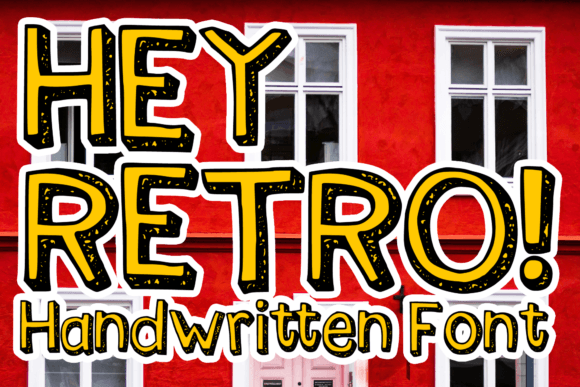
Hey Retro Font: Elevating 90s Web Design
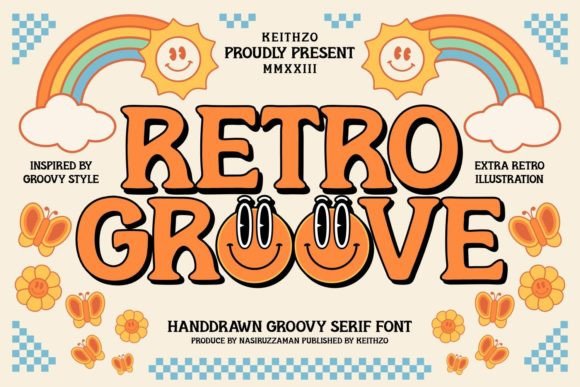
When designing digital experiences that require a distinct sense of nostalgia without sacrificing modern usability, finding the right display typeface is often the most critical decision. Hey Retro serves as a specialized tool for web designers and UI creators looking to inject authentic 90s energy into landing pages, hero sections, and brand identities. Unlike generic vintage fonts that can feel flat or overly distressed, this 3D rough kids-friendly display font offers a tactile, dimensional quality that translates surprisingly well to screen-based media. For digital product creators, the value lies in its ability to establish an immediate emotional connection while maintaining enough structural integrity to function within a conversion-focused layout.
Visual Hierarchy and Digital Readability
In web design, typography dictates how users scan content. Hey Retro is engineered specifically for high-impact moments rather than sustained reading. Its bold, three-dimensional forms create natural weight, making it ideal for establishing a clear visual hierarchy in hero sections above the fold. When used for primary headlines on a landing page, the font’s inherent depth acts as a graphical element, reducing the need for additional drop shadows or complex CSS effects to make text pop against solid color backgrounds.
However, applying a decorative display font requires discipline regarding readability. Because of its rough texture and 3D extrusion, Hey Retro performs best at larger sizes. On desktop screens, it shines in header tags ranging from 48px to 96px, where the details of the typeface remain crisp. For mobile responsiveness, designers must be cautious; scaling this font down below 24px can cause the rough edges to blur or pixelate, potentially harming legibility. In responsive layouts, it is often effective to use Hey Retro exclusively for the main H1 title while switching to a cleaner sans serif font for subheadings and navigation elements to ensure the user interface remains accessible and fast-loading.
Strategic Applications in Web Layouts
The versatility of Hey Retro extends across various digital touchpoints, provided it is treated as an accent rather than a workhorse. For online stores and e-commerce platforms, this typeface is exceptionally effective for promotional banners, sale announcements, and category headers. The playful yet bold aesthetic signals excitement and urgency without feeling aggressive, which can positively influence click-through rates on call-to-action areas. When designing a boutique shop with a streetwear or vintage apparel focus, using this font for collection titles reinforces the brand narrative before the user even views the product photography.
Creative portfolios and personal branding sites also benefit significantly from this aesthetic. A designer or illustrator showcasing work with a retro or pop-culture influence can use Hey Retro to frame their case studies, creating a cohesive thematic wrapper around diverse project images. Similarly, course creators and coaches targeting a younger demographic or teaching creative subjects can utilize this font in sales page headers to break the monotony of traditional corporate typography. It signals approachability and fun, lowering the psychological barrier to entry for potential students who might be intimidated by overly academic design choices.
- Hero Sections: Use for the primary value proposition to grab attention instantly.
- Promotional Banners: Ideal for announcing sales, new drops, or limited-time offers.
- Section Dividers: Effective for breaking up long-form content on editorial blogs.
- Social Media Graphics: Maintains visual consistency when driving traffic from Instagram or TikTok to your site.
- Digital Packaging: Perfect for mockups and presentation slides for client pitches.
Font Pairing for Balanced User Interfaces
A common pitfall when working with expressive display fonts is failing to provide adequate contrast in supporting typography. Hey Retro has a massive personality, so it demands a partner that recedes visually to let it breathe. For body copy, UI elements, and metadata, pair it with a neutral, geometric sans serif font like Inter, DM Sans, or Outfit. These typefaces offer excellent x-heights and open counters that ensure readability at small sizes, balancing the decorative complexity of the header font.
If your digital project leans more toward an editorial or magazine style, consider pairing Hey Retro with a clean serif font for subheaders or pull quotes. This combination bridges the gap between nostalgic playfulness and sophisticated storytelling, suitable for lifestyle blogs or cultural publications. Avoid pairing it with other script fonts, handwritten fonts, or highly stylized display faces, as this creates visual noise and cognitive load. The goal is to guide the user’s eye effortlessly from the expressive headline to the actionable content below, not to compete for attention.
Technical Considerations and Accessibility
Implementing a textured 3D font in a web environment involves specific technical considerations. Always verify the available file formats; WOFF2 is essential for web performance, ensuring the font loads quickly without blocking rendering. Since Hey Retro relies on physical texture, test it extensively on both light and dark backgrounds. On dark modes, the 3D effect can sometimes create unwanted visual vibration or reduce contrast ratios. You may need to adjust letter-spacing slightly wider than standard settings to prevent the rough edges of adjacent characters from merging, which preserves clarity.
Accessibility should never be an afterthought when using decorative typography. Ensure that any text rendered in Hey Retro meets WCAG contrast guidelines against its background. Because the font is stylized, avoid using it for functional UI components like navigation links, form labels, or button text where instant recognition is paramount. Reserve it for decorative headings and non-critical emphasis. Additionally, check for multilingual support if your website serves a global audience; missing glyphs in a display font can force browsers to fall back to system fonts, breaking the intended aesthetic entirely.
Licensing and Commercial Usage
For professional web designers and agency owners, understanding licensing is as important as the design itself. Before deploying Hey Retro on a client site, commercial landing page, or digital template, confirm that your license covers web embedding and the expected monthly page views. Many premium font licenses are tiered based on traffic volume, and exceeding these limits can lead to compliance issues. If you are creating digital products for resale, such as website themes, social media templates, or app UI kits, verify whether an extended or OEM license is required. Proper licensing protects both you and your clients while supporting the type designers who create these valuable assets.
Ultimately, Hey Retro is more than just a novelty; it is a strategic design asset for creating memorable digital experiences. By respecting its limitations regarding size and readability, and by pairing it thoughtfully with functional typography, designers can harness its 90s charm to build brands that feel both nostalgic and distinctly modern. Whether you are refreshing a portfolio, launching a vibrant e-commerce store, or designing a high-energy campaign, this typeface provides the visual anchor needed to make your project stand out in a crowded digital landscape.