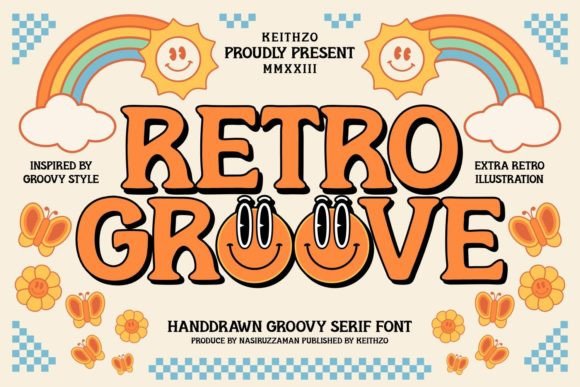
Retro Groove Font: Adding 70s Rhythm to Web Design
I was staring at a Figma file for a new creative coaching client, feeling completely stuck. The content was solid, the color palette was warm and inviting, but the hero section felt flat. We needed a typeface that communicated personality and warmth without sacrificing modern usability. That is when I decided to test Retro Groove. As a display font with a distinct 70s-inspired vibe, it promised exactly the kind of funky, bold energy the brand lacked. However, bringing a decorative typeface into a responsive web environment always requires careful testing. This is the story of how I integrated this playful typeface into a functional digital product while maintaining readability and user experience.
First Impressions in the Hero Section
The first place I dropped Retro Groove was the main headline of the landing page. The letterforms are undeniably curvy, featuring wavy lines and unexpected angles that create an immediate sense of movement. On a static desktop artboard, it looked fantastic. The rhythm of the characters drew the eye across the screen, creating a visual path that led directly to the primary call-to-action button. Unlike rigid geometric sans serif fonts, this typeface feels human and approachable, which is essential for a coaching business building trust.
However, web design is not just about static beauty. I had to ensure the font performed well when scaled. Because Retro Groove has such unique character shapes, I found it works best when given room to breathe. Tight tracking or small sizes caused the wavy elements to clash, reducing legibility. By increasing the line height slightly and allowing generous whitespace around the headline, the 70s aesthetic remained clear without becoming chaotic. This balance is crucial when using creative fonts in premium web layouts; the goal is to enhance the message, not obscure it.
Navigating Mobile Responsiveness and Readability
The true test of any display font comes when you shrink the viewport to mobile size. I previewed the site on both iOS and Android devices to check scanning behavior. On smaller screens, complex typography can quickly become a barrier to entry if users have to squint to read the value proposition. With Retro Groove, I discovered that it shines brightest in short, punchy phrases rather than long sentences.
- Headline Hierarchy: I reserved Retro Groove strictly for H1 and select H2 tags. Keeping it out of paragraph text preserved its impact and maintained fast reading speeds for body content.
- Contrast Checks: The curvy nature of the letters means negative space varies significantly between characters. I tested white text over dark background images and found that adding a subtle drop shadow or overlay improved accessibility scores without ruining the retro mood.
- Touch Targets: While I did not use this font for navigation links due to its decorative weight, it worked beautifully for large, pill-shaped CTA buttons where the text was short enough to remain crisp.
This practical testing confirmed that while Retro Groove is a fantastic tool for grabbing attention, it demands a UX-aware approach. It is not a set-it-and-forget-it solution; it requires intentional placement to ensure the digital experience remains smooth for all visitors.
Strategic Font Pairing for Digital Clarity
A bold display font cannot carry an entire website alone. To build a polished online brand experience, I needed to pair Retro Groove with a supporting typeface that would ground the design. The key to successful font pairing is contrast. Since Retro Groove brings so much texture and personality, the secondary font needed to be invisible and highly legible.
I opted for a clean, neutral sans serif font for all body copy, testimonials, and footer links. This created a harmonious tension between the expressive headers and the functional content. The simplicity of the body text allowed the 70s-inspired curves of the header font to pop even more effectively. For designers considering this typeface for editorial design or blog headers, this combination is vital. You might also consider pairing it with a minimalist serif font if you want to lean into a more sophisticated, magazine-style layout. The important takeaway is to let Retro Groove be the star of specific moments while relying on workhorse fonts to deliver information efficiently.
Real-World Applications Beyond the Hero
Once the primary hierarchy was established, I explored other ways to weave this typography throughout the digital ecosystem. Consistency builds brand recognition, but repetition can lead to fatigue. Here is how I utilized the font across different touchpoints without overdoing it:
- Course Sales Pages: I used Retro Groove for module titles and benefit highlights. The playful vibe made the educational content feel less intimidating and more engaging, aligning perfectly with the creative nature of the course.
- Digital Brand Kit Assets: Beyond the website, I exported styled headings for social media graphics and email newsletters. Having a consistent typographic voice across platforms strengthens the overall brand identity.
- Promotional Banners: For limited-time offers and announcement bars, the bold weight of the font ensured the message was unmissable against busy background patterns.
In each instance, the font served a specific functional purpose. It wasn't just decoration; it was a signaling mechanism that guided users through the sales funnel with a consistent emotional tone.
Technical Considerations for Web Implementation
Before committing to Retro Groove for a live project, there are several technical factors to verify. As web designers, we must ensure our creative choices do not negatively impact site performance or legal compliance. Always check the licensing terms carefully. If you are building a site for a client or an online store, ensure you have the appropriate commercial font license for web embedding and digital advertising.
File formats matter significantly for load times. I recommend using WOFF2 files for web implementation as they offer the best compression without quality loss. Additionally, inspect the included styles and alternates. Some versions of retro-inspired fonts include ligatures or swashes that can add extra flair to logo design or packaging design assets. However, be cautious about loading too many weights or styles if you only plan to use one. Every kilobyte counts toward Core Web Vitals.
Multilingual support is another critical checkpoint. If your digital product serves a global audience, verify that the character set covers the necessary languages. Nothing breaks immersion faster than a beautiful 70s header falling back to a system default font because of missing glyphs. Testing these edge cases during the design phase prevents costly rework later.
Elevating Digital Experiences with Intentional Type
Integrating Retro Groove into this project transformed a generic layout into a memorable brand experience. The font’s ability to evoke nostalgia while feeling fresh and relevant is a powerful asset for modern web design. It proved that you do not have to sacrifice personality for professionalism. By treating this display font as a strategic design element rather than mere ornamentation, we created a site that feels alive, rhythmic, and distinctly human.
For fellow designers and creators, my advice is to embrace bold typography but do so with discipline. Test extensively on real devices, prioritize readability in your pairings, and respect the technical constraints of the web. When used with intention, a typeface like Retro Groove does more than fill space; it sets the tempo for the entire user journey. Whether you are designing a boutique online store, a portfolio homepage, or a campaign landing page, letting your typography lead with confidence can make all the difference in connecting with your audience.