Dihoy Font Review: Retro-Modern Display Type for Branding
There is a specific moment in every boutique branding project where the mood board looks perfect, but the logo concepts feel flat. I was recently in this exact position while refreshing the visual identity for an artisanal coffee roaster. The client wanted something that felt established and nostalgic but not dusty or outdated. They needed warmth without sacrificing modern shelf appeal. After cycling through several predictable vintage serifs and overly geometric sans serifs, I tested Dihoy on a brand board mockup, and the dynamic shifted immediately.
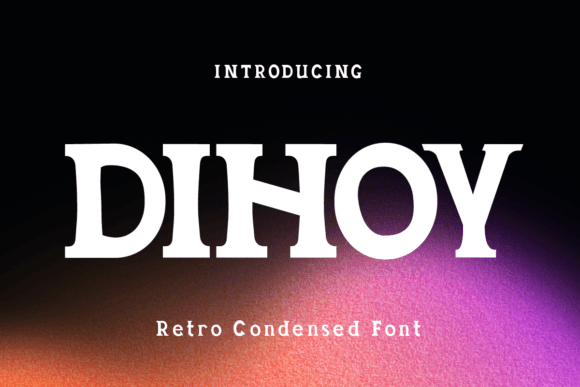
Dihoy is a display typeface that genuinely understands the assignment of retro-modern design. It isn't just a collection of old-school shapes; it carries a bold, playful confidence that translates surprisingly well to contemporary commercial work. As someone who spends hours kerning logotypes and adjusting packaging hierarchies, I found Dihoy to be a refreshing departure from the safe choices usually dominating this niche. Here is my honest breakdown of how this font performs when moved from the specimen sheet to actual design assets.
First Impressions on Logo Concepts and Signage
When evaluating any creative font for logo design, the first test is always structural integrity at large scales. Dihoy has a distinct personality that relies on thick strokes and quirky proportions. In my testing, I set the roaster’s name in all caps with generous tracking. The letterforms held up beautifully. The weight distribution feels intentional rather than accidental, which is crucial for signage and storefront applications.
What makes Dihoy stand out as a premium font option is its balance between novelty and legibility. Many display fonts sacrifice readability for style, resulting in logos that look great on Instagram but fail on a shop sign across the street. Dihoy maintains strong silhouettes. The retro influence is evident in the subtle curves and terminal endings, yet the overall geometry remains grounded in modern typography principles. This makes it an excellent candidate for businesses that want to signal heritage quality while remaining accessible to a younger demographic.
Performance Across Packaging and Editorial Layouts
A brand identity system lives or dies by its versatility. While Dihoy shines as a headline font, I needed to see how it behaved on smaller touchpoints like product labels and business cards. For the coffee bag packaging, I used Dihoy for the roast name and flavor notes. At 24pt and above, the details are crisp and engaging. The playful style adds a tactile, handmade feel that aligns perfectly with craft products.
However, this is where practical discipline comes in. Dihoy is strictly a display typeface. During editorial layout tests for a seasonal menu, I attempted to use it for subheaders at 14pt. The intricate details began to muddy, and the playful energy turned into visual noise. It became clear that Dihoy demands space to breathe. It works best when treated as a primary accent or title element. For body copy, ingredient lists, or legal text, you must pair it with a clean, neutral sans serif or a highly legible serif font. Trying to force Dihoy into functional text roles will hurt both readability and professionalism.
- Packaging Labels: Excellent for product names and short taglines at larger sizes.
- Social Media Graphics: High impact for Instagram stories and carousel covers where bold typography stops the scroll.
- Web Design Headers: Effective for hero sections and navigation highlights, provided webfont loading is optimized.
- Business Cards: Best reserved for the front side or name placement; avoid using for contact details.
Font Pairing Strategies for Balanced Identity Systems
Because Dihoy has such a strong voice, pairing it requires restraint. You aren't looking for another font with character; you are looking for support. In my coffee roaster project, I paired Dihoy with a utilitarian grotesque sans serif for all secondary information. The contrast between Dihoy’s expressive, vintage-inspired forms and the sterile neutrality of the supporting type created a sophisticated tension. This combination prevented the brand from looking like a costume party and anchored it in modern retail standards.
If your project leans more towards luxury skincare or high-end bakery branding, consider pairing Dihoy with an elegant, high-contrast serif font. The serif can handle the refined details while Dihoy provides the memorable hook. Avoid pairing it with other decorative or handwritten fonts unless you are extremely confident in your typographic hierarchy. Two loud voices usually result in a shouting match. Let Dihoy be the protagonist and choose supporting actors that know their lines.
Technical Considerations and Licensing Reality Checks
Before committing Dihoy to a final client deliverable, take time to explore the included styles and alternates. Many retro-modern fonts include contextual alternates or ligatures that can elevate a logotype from standard to custom. Check if the specific glyphs you need for your language or industry terminology are supported. Nothing stalls a project faster than realizing mid-design that a crucial character is missing or lacks the necessary diacritics for multilingual packaging.
Equally important is the commercial licensing aspect. As designers, we often get excited about a beautiful typeface and overlook the fine print. Always verify the license terms before using Dihoy in paid client work, merchandise, templates, or digital products. Some licenses cover desktop use for logos but require separate fees for web embedding, app usage, or print-on-demand items. Clarifying this upfront protects both you and your client from future legal headaches. A professional brand identity is built on solid foundations, and proper font licensing is one of those non-negotiable pillars.
Where Dihoy Fits in Your Typography Toolkit
Dihoy is not a universal solution for every design problem. If you are designing a corporate annual report, a medical interface, or a dense textbook, this typeface will likely be inappropriate. Its strength lies specifically in projects that benefit from emotional resonance and stylistic flair. Think local restaurants, creative studios, independent publishers, festival posters, and lifestyle brands.
In my experience, Dihoy succeeds because it doesn't try to be everything. It commits fully to being a bold, playful display font with a genuine vintage soul. When used with intention and paired thoughtfully, it transforms generic layouts into distinctive brand moments. It bridges the gap between nostalgia and current design trends effectively, making it a valuable asset for designers tasked with creating identities that feel both timeless and timely. Just remember to let it speak loudly in headlines and whisper quietly—or not at all—in the fine print.